
DOuglasville
FENCING CONTRACTORS
DOUGLASVILLE fence EXPERTS
We use a combination of expertise, experience, understanding, and attention to detail in our fence design and construction. Our proficiency in fence construction entails a thorough comprehension of fence-specific construction processes, such as appropriate post-setting and excavation techniques, precise measuring and layout techniques, safe rail and picket attachment, and efficient gate installation.
HIRING AN INSURED FENCING CONTRACTOR
Employing a fence contractor with insurance gives you piece of mind, financial security, and assurance that the contractor is accountable and dedicated to doing high-quality work while following safety regulations. It's wise to ask for confirmation of insurance before working with any contractor and to confirm the coverage by getting in touch with the insurance company directly.
HIRING AN INSURED FENCING CONTRACTOR
We offer a free estimate because it helps you understand the project's cost, makes planning easier, makes comparison and decision-making easier, makes negotiating easier, and helps you prevent unpleasant surprises. When choosing a contractor and starting your fence project, this is a crucial stage.

MEETING DOUGLASVILLE NEEDS FOR FENCING
FENCES CAN BE CONSTRUCTED USING A VARIETY OF MATERIALS, EACH WITH ITS OWN SET OF ADVANTAGES AND CHARACTERISTICS. HERE ARE SOME COMMON TYPES OF MATERIALS USED FOR FENCES:
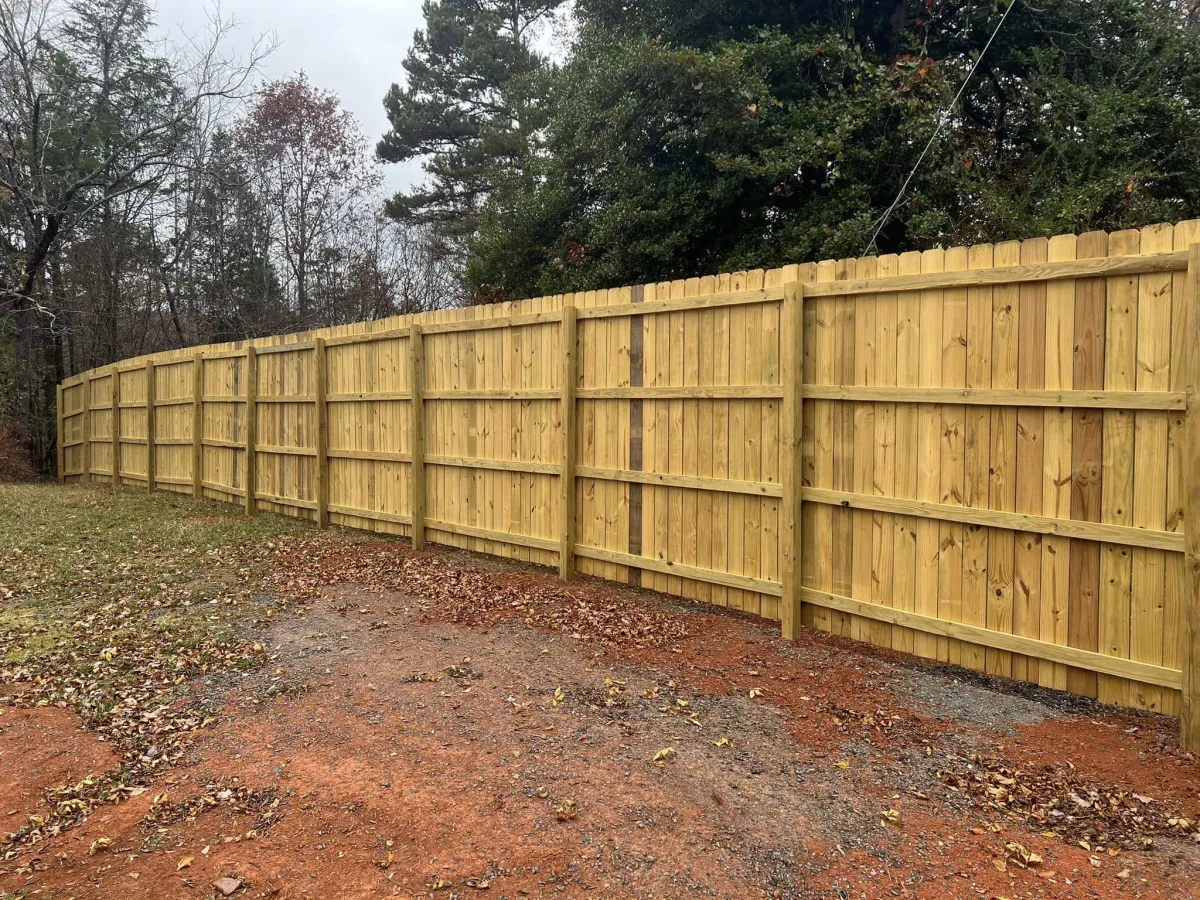
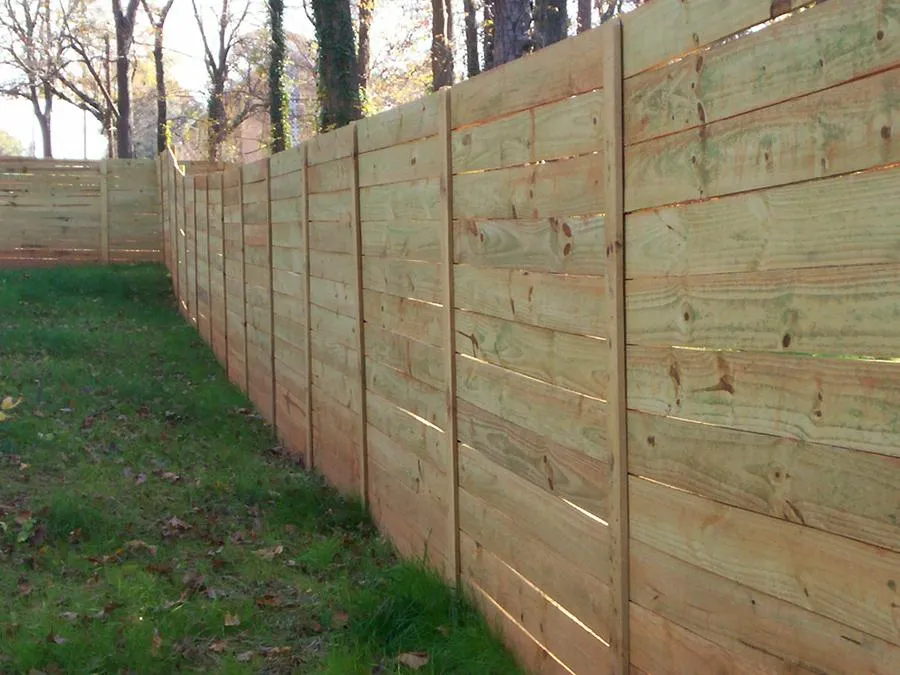
Wood: Because of its adaptability and organic look, wood is a common material for fencing. Redwood, pine, spruce, and cedar are common woods used for fences. Wood fences offer security and seclusion, and their height and design can be altered.
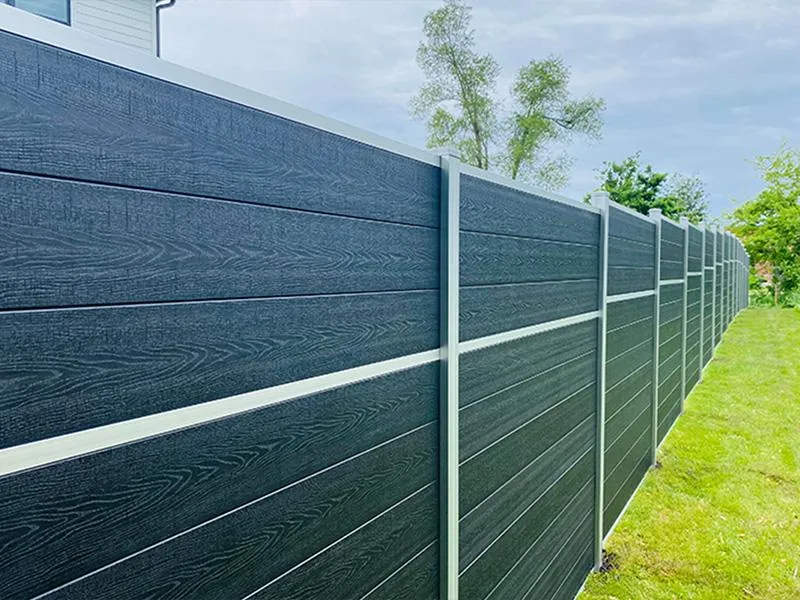
Vinyl: Vinyl fences are renowned for being long-lasting, low-maintenance, and impervious to insects, rot, and decay. They come in a variety of designs, hues, and textures. Vinyl fences are a popular alternative for homeowners seeking a low-maintenance option because they don't need to be painted or stained.
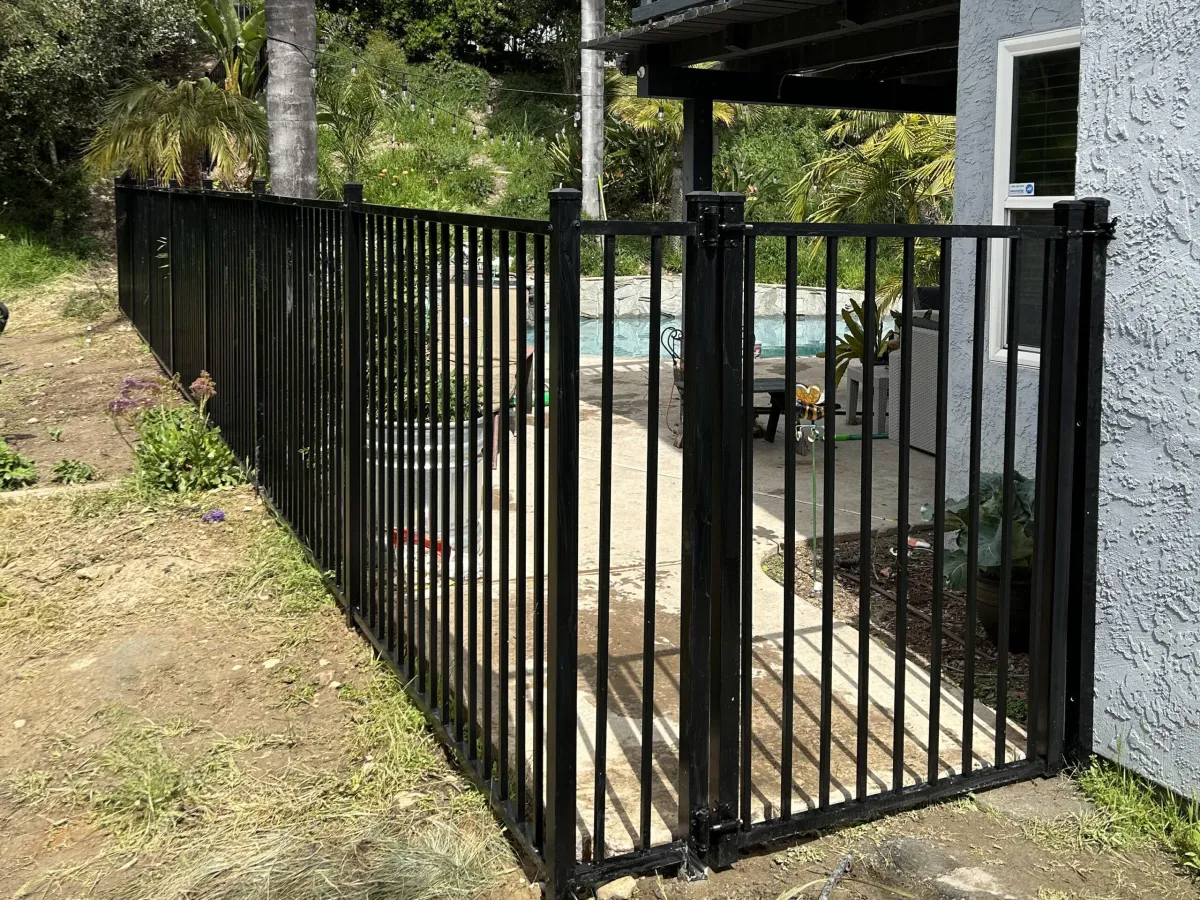
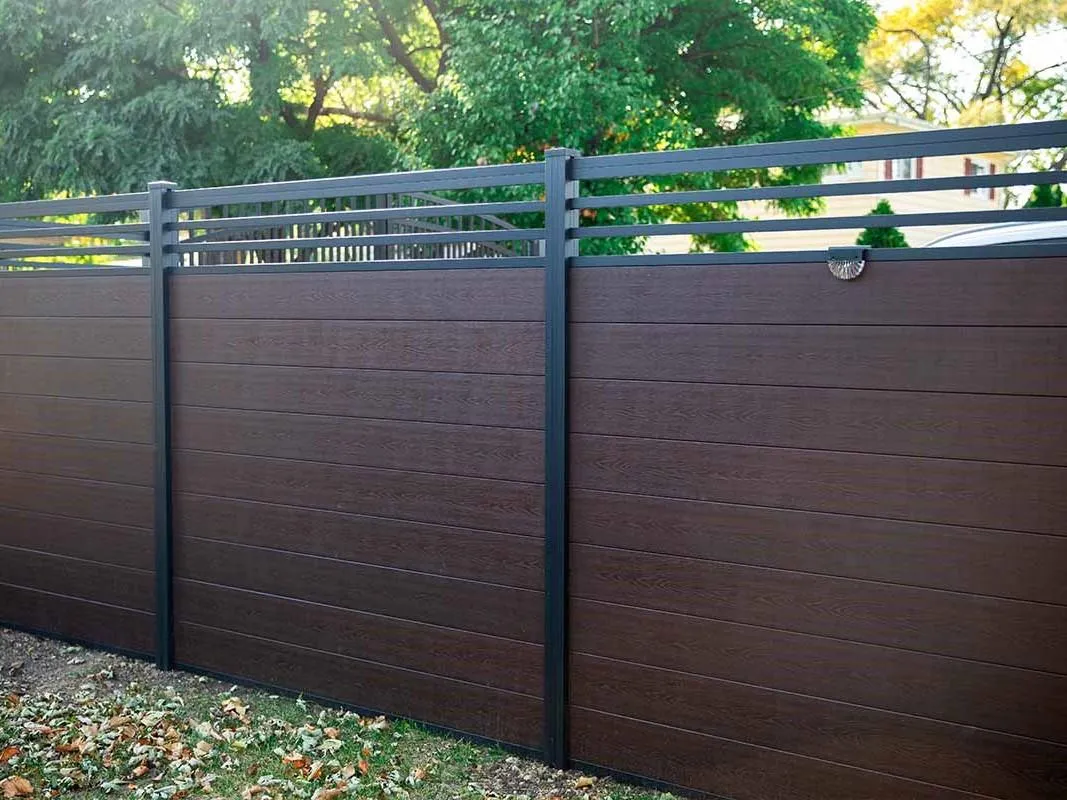
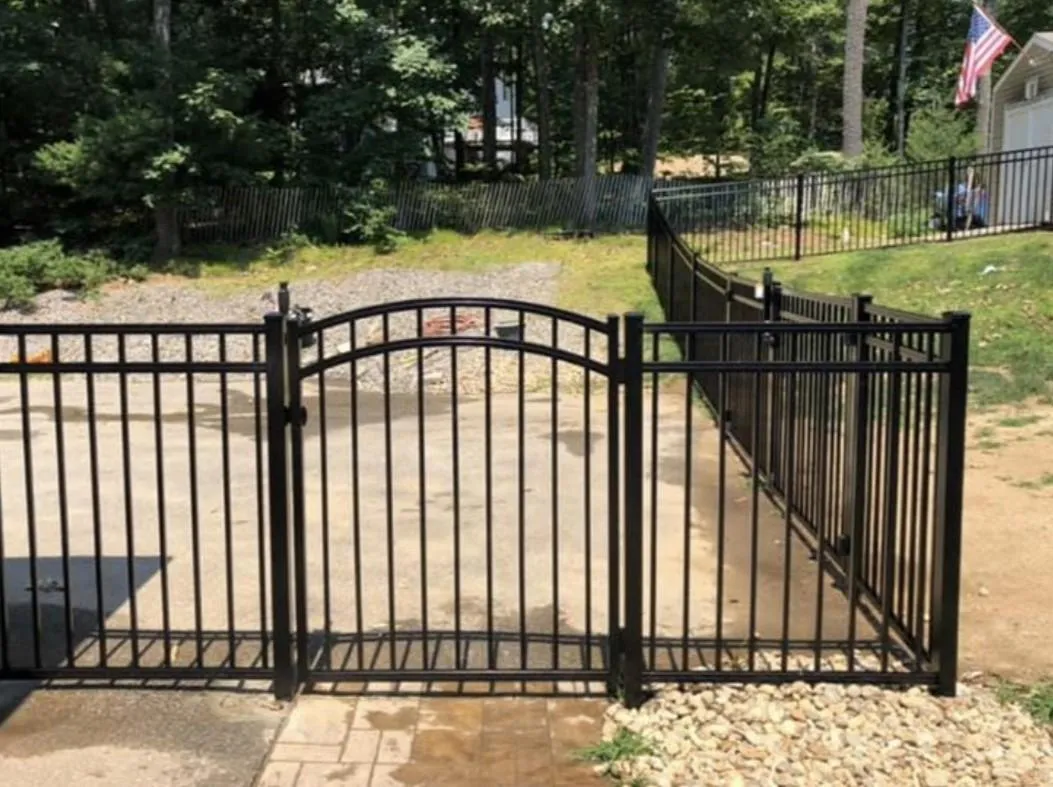
Metal: Steel, aluminum, and wrought iron fences are strong and provide a great degree of security. While steel and aluminum fences are more frequently utilized for their strength and durability, wrought iron fences are frequently chosen for their aesthetic and decorative aspects. For both residential and commercial sites, metal fences offer a durable and customizable solution.
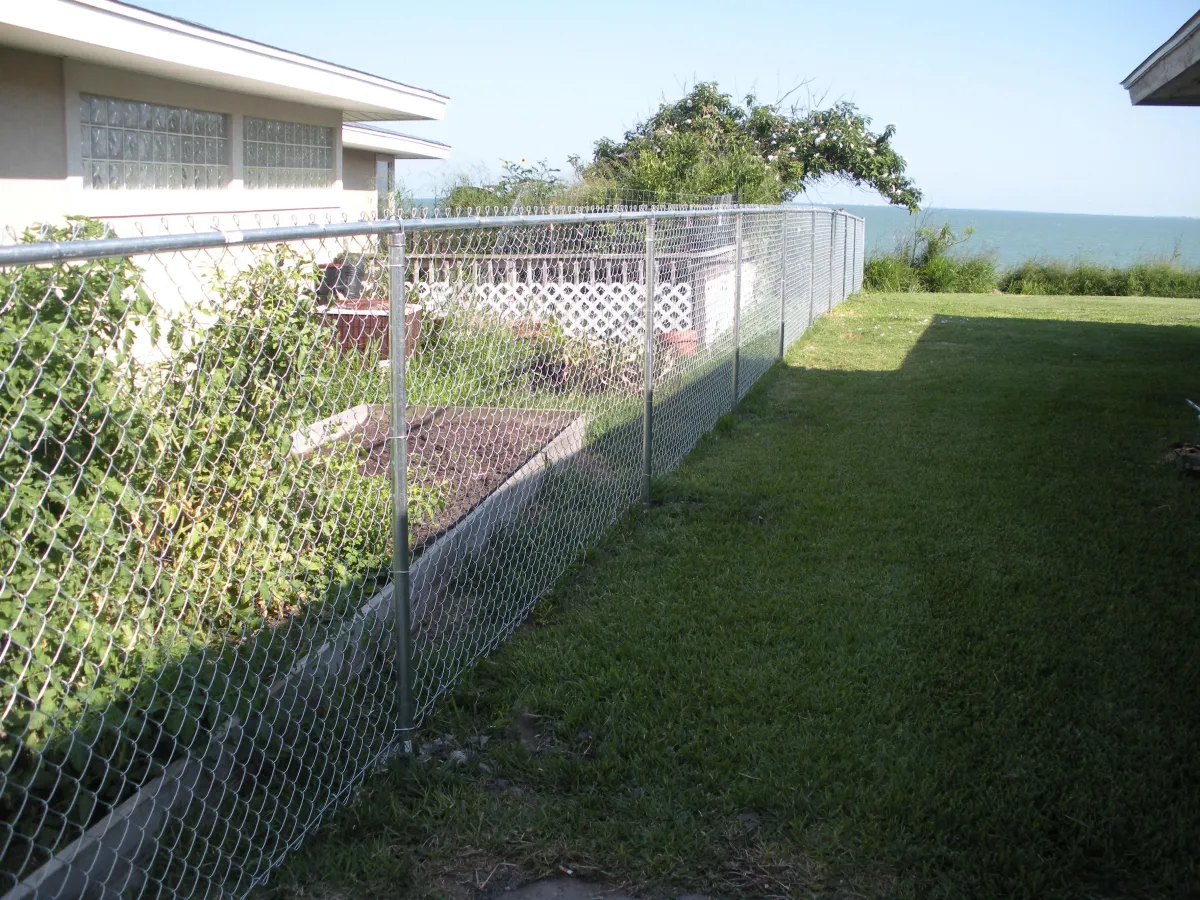
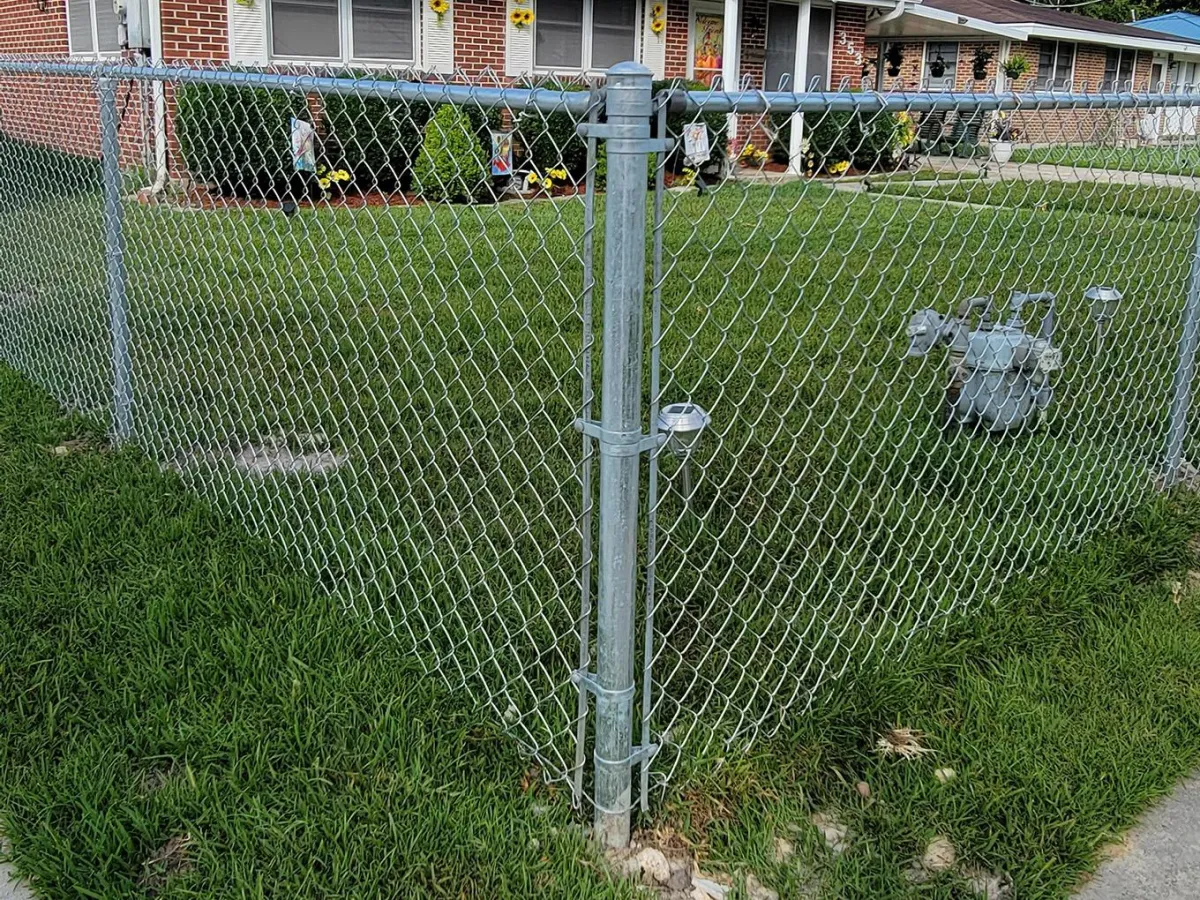
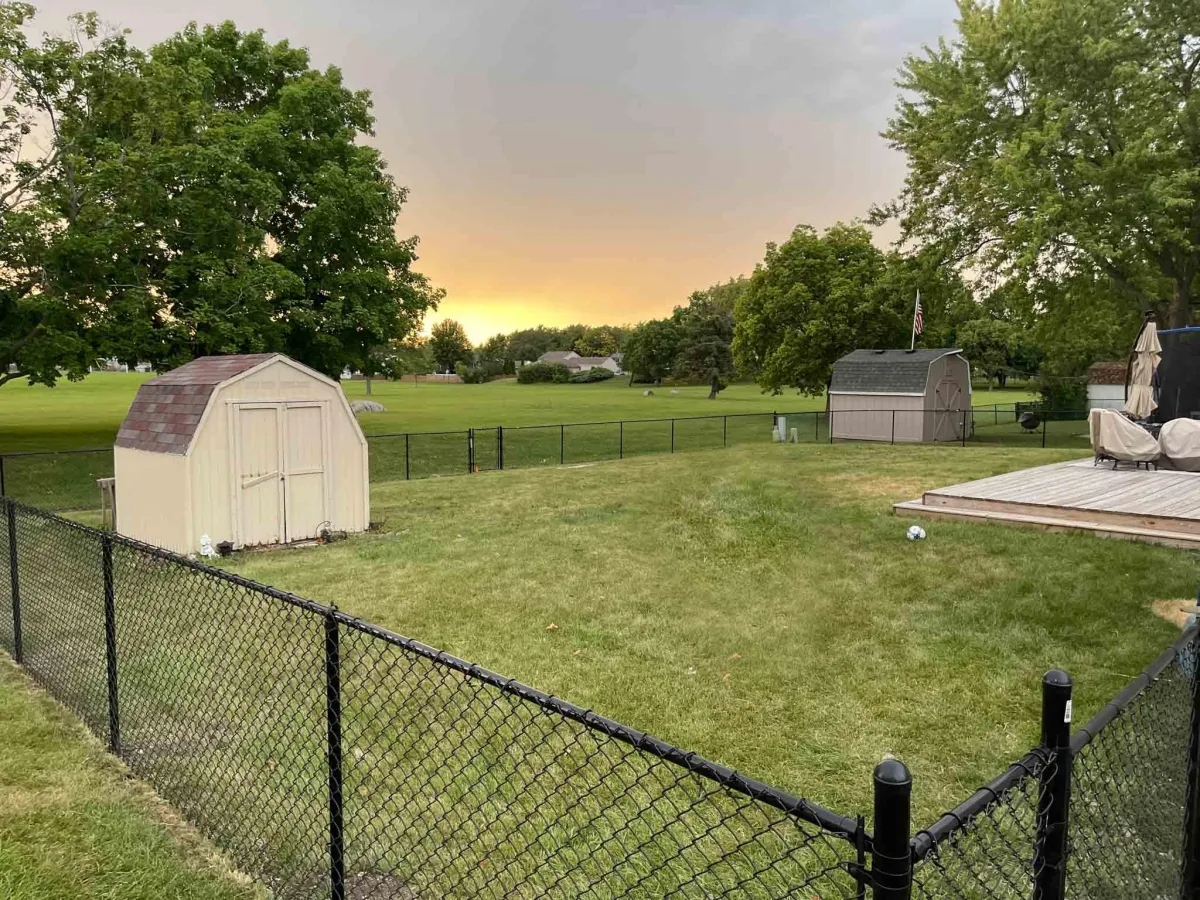
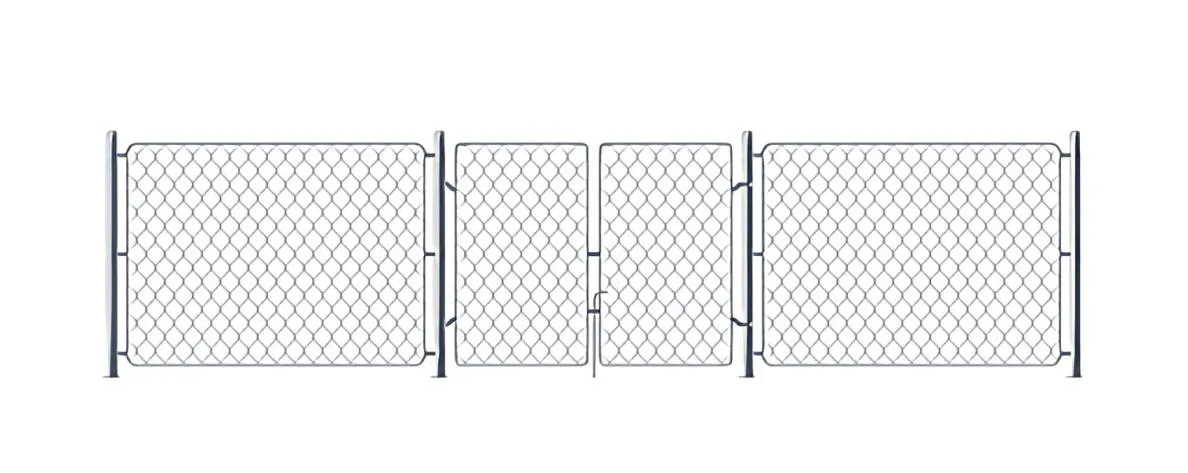
Chain Link: Known for their affordability and usefulness, chain link fences are constructed from interwoven galvanized steel wires. They are frequently used to demarcate boundaries, provide security, and enclose regions like sports fields or backyards. Vinyl can also be used to chain link fences to enhance their appearance and add color.
Metal: Steel, aluminum, and wrought iron fences are strong and provide a great degree of security. While steel and aluminum fences are more frequently utilized for their strength and durability, wrought iron fences are frequently chosen for their aesthetic and decorative aspects. For both residential and commercial sites, metal fences offer a durable and customizable solution.
Chain Link: Known for their affordability and usefulness, chain link fences are constructed from interwoven galvanized steel wires. They are frequently used to demarcate boundaries, provide security, and enclose regions like sports fields or backyards. Vinyl can also be used to chain link fences to enhance their appearance and add color.
OBTAINING A PERMIT FOR A FENCE
Research local regulations: Start by researching the fence regulations in your specific area. Contact your local municipal or city office, building department, or zoning department to obtain information about any permits, codes, or restrictions that may apply to fence construction. They will provide you with specific guidelines and requirements.
Determine property boundaries: Before building a fence, it's essential to identify the exact boundaries of your property. You may need to hire a professional surveyor to mark the property lines accurately. This step ensures that your fence is constructed entirely within your property and avoids encroaching on neighboring properties or public land.
Design and plan your fence: Determine the design, materials, height, and layout of your fence. Make sure your planned fence complies with any local regulations, such as height restrictions, setback requirements, or design guidelines. Some areas may have specific rules for front yard fences, backyard fences, or fences near roads or intersections.
Submit permit application: Once you have your fence design and plans ready, submit an application for a fence permit to the appropriate local authority. The application typically requires details such as property information, fence dimensions, materials, and construction methods. You may need to include a site plan or drawings illustrating the proposed fence's location on your property.
Pay fees: Along with your permit application, you may be required to pay fees. The fees can vary depending on your location and the size or complexity of the project. The local authority will inform you of the applicable fees and payment methods.
Wait for approval: After submitting your permit application, it will undergo a review process by the local authorities. They will assess whether your proposed fence complies with regulations, zoning ordinances, and any other applicable rules. The review process duration can vary, but you may need to wait a few days to several weeks to receive approval.
Obtain permit and start construction: Once your permit is approved, you will receive the permit document. Keep a copy of the permit on-site during construction, as you may be required to present it if inspectors or officials visit your property. Follow the approved plans and construction guidelines to build your fence.
Inspection and final approval: In some cases, local authorities may require a final inspection of the completed fence before issuing the final approval. Contact the appropriate department to schedule an inspection if required. Once the fence passes the inspection, you will receive final approval for your project.
CHOOSING A FENCE MATERIAL
When choosing the right fence material for your property, several factors should be considered. Here are some key considerations to help you make an informed decision.
Purpose and Function: Determine the primary purpose of the fence. Are you looking to enhance privacy, provide security, create a boundary, keep pets or children safe, or simply add aesthetic appeal? Understanding the main function will guide you in selecting a suitable material.
Style and Aesthetics: Consider the architectural style of your property and the overall aesthetic you want to achieve. Different materials offer varying looks, from the natural and rustic appearance of wood to the sleek and modern look of metal or vinyl. Choose a material that complements the style and character of your home and surrounding landscape.
Durability and Maintenance: Assess the level of maintenance you are willing to undertake and the durability required for your fence. Some materials, like vinyl or aluminum, are low-maintenance and resistant to rot, insects, and weathering. Wood fences, while visually appealing, often require more maintenance, such as staining or painting, and may be susceptible to rot or insect damage over time.
Climate Considerations: Take into account the climate and weather conditions in your area. For example, if you live in a region with high humidity or frequent rainfall, you might want to choose a material that is resistant to moisture and decay. In areas with strong winds or extreme temperatures, selecting a sturdy and weather-resistant material becomes crucial.
Privacy and Security: Determine the level of privacy and security you require. Solid materials like wood, vinyl, or composite offer better privacy, while chain link or wrought iron may prioritize security with a clear view of the surroundings. Some materials can be combined to create a balance between privacy and visibility.
Budget: Set a budget for your fence project. Different materials vary in cost, with some options being more affordable than others. Consider not only the upfront cost of materials but also long-term expenses associated with maintenance and repairs.
Local Regulations: Understand any local regulations, HOA (Homeowners Association) guidelines, or neighborhood covenants that may dictate the type of materials allowed, fence height restrictions, or design limitations. Ensure that your chosen material complies with these regulations.
Environmental Impact: If environmental sustainability is important to you, explore eco-friendly options. Materials like bamboo, composite, or reclaimed wood can be more environmentally friendly choices compared to materials that require significant resources or have a larger carbon footprint.
CHOOSING A FENCE DESIGN
When it comes to fence designs for your home, there are numerous options available. The design you choose will depend on factors such as your personal style, the purpose of the fence, the architectural aesthetics of your home, and any local regulations or restrictions. Here are some popular fence design options to consider.
A solid panel design features solid panels that provide privacy and security. They can be made from various materials such as wood, vinyl, or composite. Solid panel fences can be customized in terms of height and can have decorative elements or embellishments.
Picket fences are characterized by evenly spaced vertical boards (pickets) attached to horizontal rails. They are often made of wood or vinyl and offer a classic, traditional look. Picket fences can be shorter for decorative purposes or taller for a combination of aesthetics and boundary marking.
Lattice fences are constructed with crisscrossed panels or sheets with diamond-shaped openings. They provide partial privacy while adding an element of style and allowing some visibility. Lattice fences are commonly used for decorative purposes or as a backdrop for climbing plants.
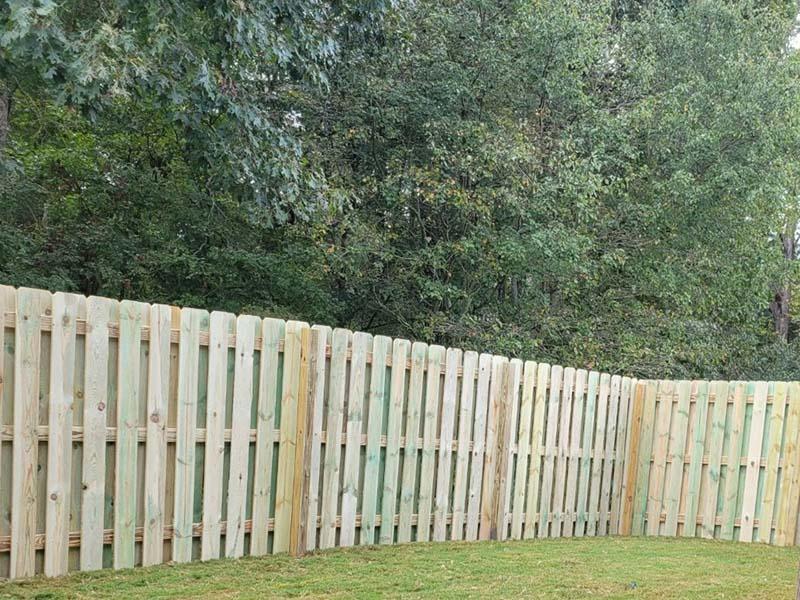
Shadow box fences consist of alternating panels attached on either side of the fence rails. This design offers privacy while allowing air circulation and some visibility through the fence. Shadow box fences are visually appealing as they provide an attractive appearance from both sides.
Horizontal slat fences have horizontally oriented boards or slats attached to fence posts. This design creates a modern, contemporary look. Horizontal slat fences can be made from wood, composite materials, or metal and offer a sleek and minimalist aesthetic.
Wrought iron fences are known for their ornate and decorative designs. They often feature intricate patterns, scrolls, or finials. Wrought iron fences can be custom-made to suit the architectural style of your home and are commonly used for enhancing the curb appeal of historic or elegant properties.
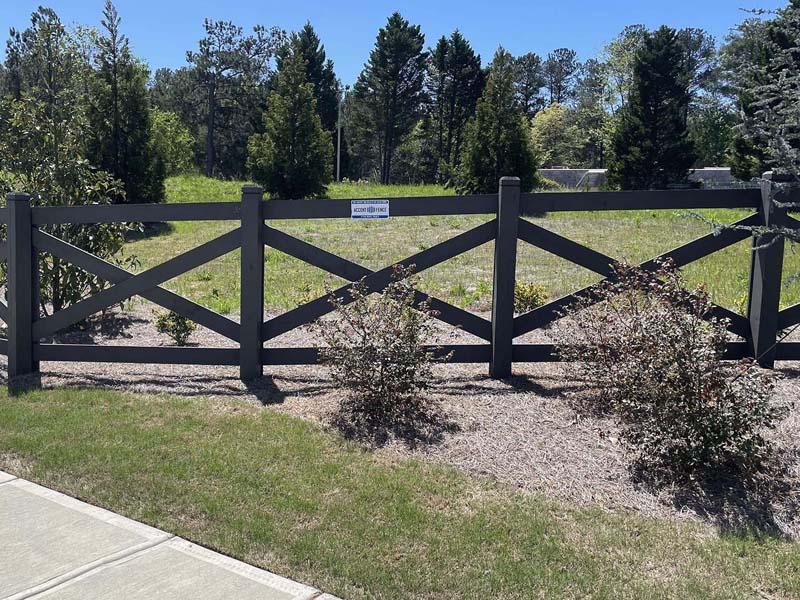
Farmhouse or rustic-style fences typically feature wooden rails and posts, often with wire mesh or pickets. This design complements rural or country-style homes and provides a charming, traditional look.
Modern or minimalist fence designs often incorporate clean lines, geometric shapes, and a focus on simplicity. Materials like metal, aluminum, or composite can be used to achieve a contemporary aesthetic.
REMOVAL OF EXISTING FENCING
We can remove existing fencing safely and efficiently based on the type of fence, its size, materials used, and any unique circumstances. Before starting the removal process, we’ll clear any obstacles or debris around the fence to create a safe and accessible working environment and come equipped with all the necessary tools and equipment for the job. If your fence is connected to any utility lines, such as electrical or irrigation systems, we’ll disconnect them safely before proceeding with the removal. This may involve shutting off power or water supply to the affected areas. Disassembling the fence and removing fence posts are the next steps, and post removal may involve using a shovel or post hole digger to excavate the soil around the post or cutting it off near ground level. As we remove the fence components, we’ll gather and separate the materials for proper disposal or recycling. Depending on local regulations and guidelines, you may need to arrange for a waste disposal service or take the materials to a recycling facility. We’ll also ensure any leftover nails, screws, or other small debris are carefully collected to prevent potential hazards. Once the fence is fully removed, we’ll restore the appearance of the site where the fence once stood by leveling the ground.
REPLACEMENT VS. REPAIR
It's important to remember that each fence situation is unique, and the decision to repair or replace depends on your preferences, budget, and specific circumstances. Assess the extent of the damage to your fence. Minor issues like loose boards, broken pickets, or small holes can often be repaired without replacing the entire fence. However, if the damage is widespread, significant, or structural in nature, it may be more practical and cost-effective to replace the fence. Consider the age and overall condition of the fence. If your fence is old, deteriorating, or showing signs of extensive wear and tear, repairing individual components may only provide a temporary fix. Consider the maintenance requirements of your existing fence versus a new fence.
SECURING YOUR PROPERTY WITH FENCING
Adding a fence to your property can enhance security in several ways. A fence acts as a physical barrier, creating a boundary around your property. Also, a fence allow you to control access points to your property. Depending on the design, you can incorporate gates, locks, and other security features to allow entry only through designated areas. This gives you the ability to monitor and regulate who enters your property, enhancing overall security. Fences that offer privacy features, such as solid panels or tall designs, can prevent outsiders from easily observing your property and its activities. A visible and well-maintained fence can serve as a deterrent to potential intruders. It also provides a clear and defined perimeter for your property and ensures you have a safe and secure area for children and pets to play and roam freely without the risk of them wandering off or encountering potential dangers.
INCREASING YOUR PROPERTY VALUE AND CURB APPEAL
The architectural type of your house, the overall design aesthetic you wish to attain, and the fence's compatibility with your landscaping should all be taken into account when selecting one for curb appeal. It's critical to choose a fence material, color, and style that enhances your property's overall curb appeal and blends in with its existing characteristics.
EXCEPTIONAL CUSTOMER SERVICE GUARANTEED
As your next concrete contractor, we aim to gain your confidence and surpass your expectations by consistently delivering excellent customer service. Our staff members are competent enough to respond to questions, manage issues, suggest necessary services, ensure the security of people and property, provide an accurate cost estimate for repairs or new installations, and notify you when our crew will be arriving.
REQUESTING A FREE ESTIMATE
For any of our fencing services in Douglasville, get a free estimate right now. Our team of experts is aware of the needs of townhouses, condominiums, and single- and multi-family homes. We are always here to help with new house building as well as the demands of older and newer properties.
FENCING CONTRACTOR VS. GENERAL CONTRACTOR
Hiring a fence specialist, rather than a general contractor, can offer several advantages when it comes to fence-related projects. Our fence specialists have specific expertise and knowledge in the field of fences. We specialize in designing, installing, and repairing fences, and possess in-depth knowledge of various fence materials, styles, and installation techniques. This specialized knowledge allows us to provide better guidance, make informed recommendations, and ensure the highest level of quality and craftsmanship for your fence project. Also, we’re familiar with local regulations, zoning codes, and permit requirements related to fence installation. This means your project will comply with all necessary regulations, avoiding potential issues or penalties associated with improper installation. In addition, we offer personalized solutions based on your specific needs and preferences. We also have a streamlined process for installation and repairs so any disruption from a fence project is minimized. Our access to reliable suppliers and access to high-quality fence material and our ability to recommend and source materials that meet your requirements in terms of durability, aesthetics, and budget are more reasons to choose us to be your next fence contractor.
MARKING OF BOUNDARIES AND UTILITIES
Determining your property's precise borders is crucial before constructing a fence. We will assist in making sure that a new fence is built inside your property borders and does not intrude on nearby properties or public land. We will also let you know about any utilities that might interfere with our work and devise a strategy to prevent any interruptions.
FENCE DESIGN AND CONSULTATION
Depending on your individual requirements and tastes, our fence specialists can provide tailored solutions. After evaluating your property and hearing your needs, we will make tailored suggestions for the types, styles, and features of your fence. Our knowledge enables us to provide appropriate solutions that fit your budget, security requirements, aesthetic preferences, and other factors.
FENCE GATE INSTALLATION
When it comes to installing fence gates, we abide by local laws and ordinances, which may include specifications for gate height, setbacks, and safety features. Our fence installation professionals will make sure your new fence gate is secure and operational from planning and design to testing and adjusting.
FENCE MAINTENANCE
Fences, like any outdoor structures, require regular maintenance to ensure their longevity, functionality, and appearance. The specific maintenance needs may vary depending on the type of fence material used. We recommend a regular cleaning to remove dirt, dust, debris, and any organic growth such as moss or algae. Use a soft brush, mild detergent, and water to scrub the fence surfaces. Conduct periodic inspections of your fence to identify any signs of damage, such as loose boards, broken pickets, or rusted components. Inspect the fence posts for stability and ensure that the fence is properly aligned. Address any issues promptly to prevent further damage. Perform necessary repairs as soon as possible. If your fence is made of wood, it may require periodic painting or staining to protect it from moisture, UV rays, and other weathering effects. If you have a metal fence, such as iron or steel, take steps to prevent rust formation. Apply a protective coating or paint specifically designed for metal fences to create a barrier against moisture and oxidation. Inspect the fence regularly for any signs of rust, and address it promptly by removing the rust and applying touch-up paint. For fences with moving parts, such as gate hinges or locks, lubricate them periodically to ensure smooth operation. Trim back any overgrown vegetation, vines, or bushes near the fence to prevent them from exerting pressure on the structure or causing damage. Finally, regularly inspect your fence for signs of pests, such as termites or carpenter ants, especially if you have a wooden fence.
FENCING CONTRACTOR CREDENTIALS
We have the training, expertise, and experience necessary to properly plan, build, construct, and repair fences because we are professional fence contractors. We are insured and licensed, have experience with a variety of fencing scenarios and difficulties, and are well-versed in local laws, ordinances, and permit needs pertaining to fence installation. We also possess knowledge of materials and products, as well as design and planning abilities. When constructing a long-lasting and beautiful fence, we take pride in our work and pay close attention to even the tiniest aspects. As your neighborhood fence contractor, we are dedicated to providing excellent customer service, which includes guarantees on their work and post-purchase assistance.
THE CHALLENGE OF DIY FENCING
While some DIY enthusiasts successfully build their own fences, it's important to carefully consider the challenges and potential risks involved. A lack of expertise could lead to trouble with ensuring the fence is structurally sound and properly aligned. You may also end up choosing the wrong type of materials for your fence and face future issues with durability, maintenance, and overall performance. If measurements are incorrect or inconsistent, it can result in an uneven or misaligned fence. You may not be equipped to deal with difficult ground conditions and struggle to properly install fence posts or achieve a stable foundation. Another common DIY issue is failing to comply with regulations and requirements for building a fence. It could result in having to take down your new fence. Additionally, neglecting safety issues when working with tools and heavy materials increases the risk of injuries and accidents.
INCREASING CURB APPEAL WITH FENCING
An attractive and well-maintained fence can raise a property's overall value. The existence of a fence is frequently regarded as a desirable feature by appraisers or potential buyers, which can boost the home's perceived worth. A well-constructed fence can also improve a property's perceived security, which is frequently regarded as a desirable attribute.
MOST COST-FRIENDLY TYPE OF FENCING
The most economical kind of fence material may differ based on a number of variables, including your location, the materials that are available, and the costs of the market at the time. Nonetheless, some materials are typically thought to be less expensive than others. Chain link fences are frequently the least expensive choice. Usually mounted on metal posts, they are composed of interlaced steel wires. Chain link fences can be used to designate property borders or keep pets contained while offering rudimentary security. They might not provide much privacy, but they are strong and little maintenance.
FENCING FOR PRIVACY NEEDS
In terms of privacy, some fence styles are more appropriate for establishing a remote and private outdoor area. We advise selecting a fence height that complies with local requirements and installing sturdy wood fences that totally obstruct the view from the outside. We are also capable of installing low-maintenance metal or vinyl privacy fences. A bamboo fence with canes or stalks is a choice for a private, exotic aspect.
HOW TO CHOOSE A FENCE MATERIAL
Choosing the right fence material involves considering several factors such as the function of the fence, desired aesthetics, budget, maintenance requirements, and local regulations. Determine the primary purpose of the fence; privacy, security, containment for pets or children, or enhancing the aesthetics of your property. Consider the overall look and style you want to achieve for your property. Choose a material that complements the architectural style of your home and enhances the curb appeal. Evaluate the durability and lifespan of different fence materials and how much maintenance they require. Set a realistic budget for your fence project and explore materials that fit within your financial constraints. Also, your local building codes, neighborhood association guidelines, and any other regulations that may dictate the type of fence materials and height allowed. Take into account the climate and weather conditions in your area, and choose a sustainable material. You want a fence that’s environmentally friendly.
TYPES OF WOOD FOR FENCING
Several types of wood are commonly used in building fences. The choice of wood depends on factors such as durability, appearance, availability, and budget. Cedar is a highly popular choice for fences due to its natural resistance to decay, insects, and rot. It has a beautiful reddish-brown color and a straight grain, and it’s known for its durability and longevity, Redwood is another durable and naturally resistant wood species that is commonly used for fences. It has a distinctive reddish-brown hue and a straight grain pattern, and it’s known for its beauty, stability, and resistance to rot and insects. Both cedar and redwood require minimal maintenance. Pine is a cost-effective option for fence construction, and it’s softer compared to cedar or redwood, so it may be more prone to dents and scratches. Regular maintenance, such as sealing or painting, is typically required to protect pine fences from rot and decay. Spruce is another affordable wood commonly used for fences. It is lighter in color and has a straight grain pattern. Proper maintenance, such as regular staining or painting, is necessary to protect spruce fences from weathering and decay. Cypress is a durable and rot-resistant wood with a light yellow-brown color that weathers to a silver-gray over time. Cypress fences are known for their natural beauty and can be left unfinished or stained. They require minimal maintenance and have good resistance to insects and decay. Oak is a strong and durable wood that can be used for fences with a higher cost. It has a distinctive grain pattern and can be left unfinished or stained. Oak fences are known for their longevity and strength, but they may require more maintenance compared to other wood species.
FENCING FOR ALL TYPES OF PROPERTY
Whether they are small, medium-sized, or huge, we can fix and rebuild fences on a variety of property types in and around Douglasville. Our professionals are accustomed to working on both new and older homes, as well as after a new home has been constructed. We can help you discover a solution that fits your demands and your budget, regardless of the size of your property or the quantity of installation or maintenance work that needs to be done.
EXCEPTIONAL CUSTOMER SERVICE
We want to earn your trust and surpass your expectations as your next concrete contractor. We promise that each and every household in
We'll continue to provide Douglasville with the same excellent customer service, whether it's responding to your inquiries, offering advice, guaranteeing the security of every repair or installation project, precisely calculating the cost of supplies and labor, or providing you with updates on when our team will arrive.
FREE FENCING ESTIMATES
We're happy you found us when you needed concrete installation and repair services. Tell us how we can meet your needs and fit your vision for your Douglasville home and property, please. To set up a free estimate for any of our services, a concrete specialist will get in touch with you.
GIVE US FEEDBACK
We are able to keep improving our services because of the insightful comments provided by citizens of Douglasville like you. If you have any comments about the particular fence installation or repair job we did at your house, please get in touch with us right away.
SHARE A RECOMMENDATION
Your positive feedback on social media and review sites is much appreciated. Letting your neighbors know about your interaction with our professionals and the results of the repairs or installation is a valuable resource for other Douglasville residents when they begin looking for local concrete services.
OUR PROMISE TO HOMEOWNERS IN DOUGLASVILLE
As your neighborhood expert fence builder, we pledge to pay attention to your needs, resolve any issues, and give you thorough explanations of the project's scope, budget, and schedule. We have the greatest standards for customer service, which are demonstrated by our promptness, decency, and openness at every stage.
DOUGLASVILLE FENCE CONTRACTORS |
DOUGLASVILLE, GEORGIA
Testimonials
Because of valuable feedback from Jupiter residents like you, we can continue to improve our services. Please contact us immediately if you have any feedback on the specific concrete repair or installation project that we completed at your home. Your positive feedback on social media and review sites is much appreciated. Letting your neighbors know about your interaction with our professionals and the results of the repairs or installation is a valuable resource for other Jupiter residents when they begin looking for local concrete services.


John doe

Lorem ipsum dolor sit amet, consectetur adipiscing elit, sed do eiusmod tempor incididunt ut labore et dolore magna aliqua. Ut enim ad minim veniam.

John doe
Lorem ipsum dolor sit amet, consectetur adipiscing elit, sed do eiusmod tempor incididunt ut labore et dolore magna aliqua. Ut enim ad minim veniam.

John doe
Lorem ipsum dolor sit amet, consectetur adipiscing elit, sed do eiusmod tempor incididunt ut labore et dolore magna aliqua. Ut enim ad minim veniam.